
Loading...
Serving La Mesa, CA and surrounding areas. (858) 878-6069
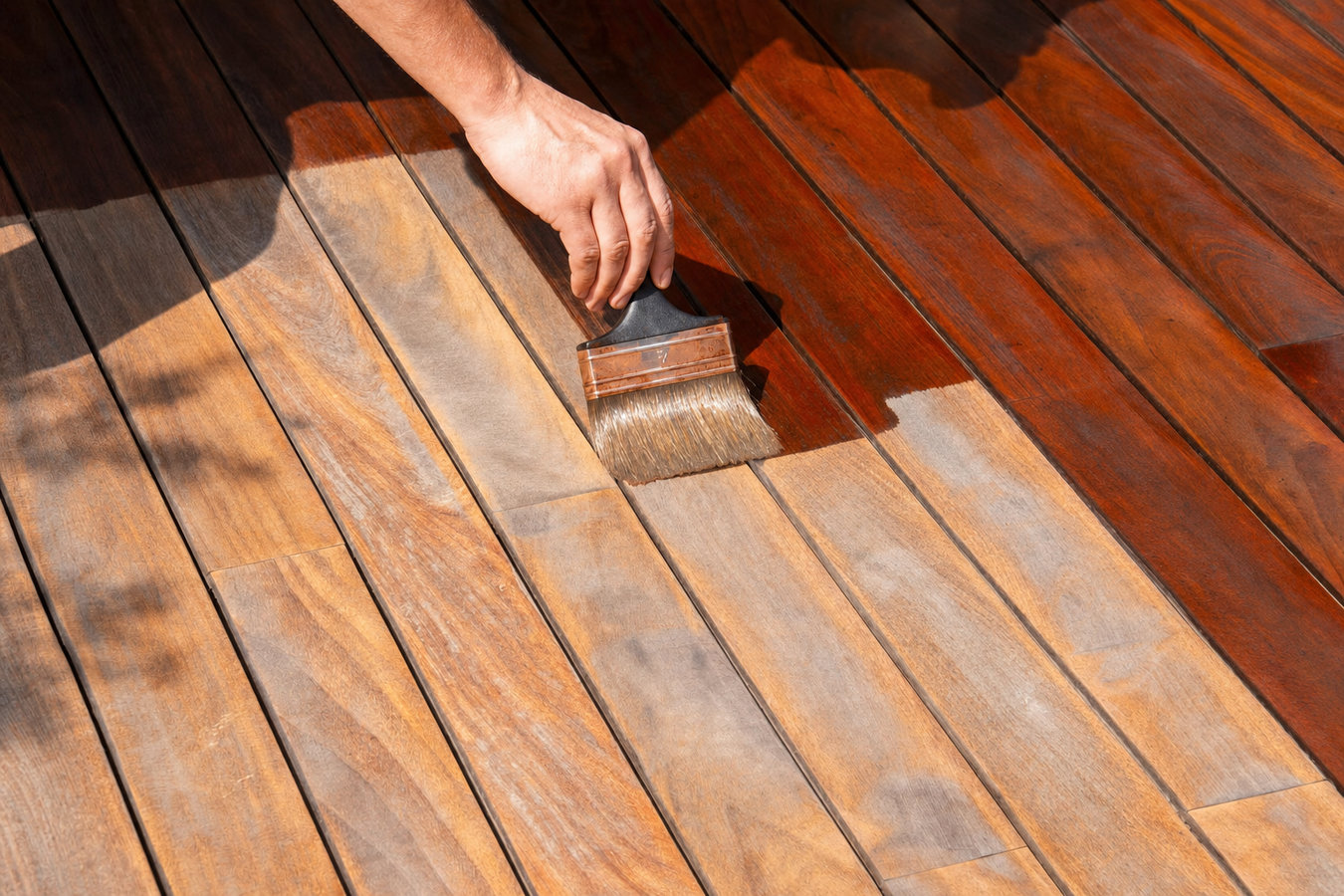
La Mesa's afternoon sun fades unprotected wood fast - we prep it right, choose UV-rated products, and apply a finish that holds up season after season.
Deck staining and sealing in La Mesa protects wood from the UV exposure and seasonal rain cycle that wear finishes down faster here than in most of the country - most jobs take two to three days from cleaning to final coat and give the deck two to three years of reliable protection.
The prep work is what separates a finish that lasts from one that peels by next summer. Before any product goes on, the deck has to be cleaned of dirt, mildew, and old flaking finish, then allowed to dry completely. Skip that step and even the best product will fail early. If your deck is approaching the three-year mark since the last treatment - or if it has never been treated at all - this is the right time to act, well before the winter rains arrive. Older La Mesa homes in neighborhoods like Rolando or Highlands sometimes have decks built from redwood or cedar that absorb products differently than newer pressure-treated wood, and we account for that in our product selection. If the deck has damaged boards that need fixing before staining makes sense, we can handle that through our deck repair and replacement service first.
A well-maintained deck also holds its value better, which matters in La Mesa where home values are well above the national average and buyers notice the condition of outdoor living spaces during showings.
When a deck loses its color and turns dull gray or silver, the wood is telling you the protective layer is gone. In La Mesa's high-UV environment, this graying can happen within a year or two on an unprotected deck. It is not just cosmetic - the wood is absorbing UV damage and moisture with nothing to slow it down.
Splash a little water on your deck boards. If it soaks in right away rather than beading up and rolling off, the sealer has worn out. This is especially important to catch before La Mesa's winter rain season, when unprotected wood can absorb moisture and start to swell, crack, or grow mildew between the boards.
If the surface feels rough underfoot or you can see small cracks running along the grain, the wood has dried out and started to break down. This is common on decks in La Mesa that face south or west and get full afternoon sun. Treating at this stage can stop the damage from getting worse - waiting much longer may mean replacing boards entirely.
Peeling or flaking finish means the old coating has failed. This often happens when a previous job skipped proper prep, or when a product was applied over wood that was not fully dry. Before new stain can go on, the old flaking material has to be removed - catching this early saves you from a more involved and expensive job later.
Every staining job starts with a thorough walk of your deck. We check for boards that are cracked, soft, or showing signs of rot, confirm the wood type, and assess the condition of any existing finish before recommending a product or approach. That assessment shapes everything - a heavily weathered redwood deck from the 1960s needs different preparation and a different product than a newer pressure-treated deck. We also consider your sun exposure, because a south-facing deck in La Mesa that bakes in afternoon heat needs a product with meaningful UV protection, not just water repellency. Homeowners who have been putting off staining because they suspected underlying damage often find that a quick conversation about deck repair options first saves them money in the long run. For homeowners with a pool or patio slab alongside the deck, we also handle pool deck construction and can coordinate work on both surfaces if needed.
After cleaning and the required drying period, we apply the stain or sealer using brushes or rollers to work the product into the wood rather than just coating the surface. Depending on the condition of the wood, a second coat may follow once the first has absorbed fully. We protect nearby plants, siding, and concrete from overspray, and we walk the deck with you when the job is done so you know exactly what was done and when to expect the next treatment.
Best for homeowners who want to preserve the natural look of the wood while adding protection from moisture and UV exposure.
A good fit for decks with attractive grain that homeowners want to highlight, with added color and UV blockers built into the product.
Suited to decks with heavy weathering or older boards where full coverage is needed - solid stains last longer in high-sun environments and cover surface imperfections.
For decks with a failed or incompatible previous finish that has to come off completely before anything new can bond properly to the wood.
La Mesa sits inland from the coast and gets more intense sun than beach communities. UV rays are one of the biggest reasons wood decks turn gray and brittle faster here than in cooler or cloudier climates. The climate also swings between long dry stretches and heavier winter rainfall between November and March, and that cycle of drying out and soaking up moisture is hard on unprotected wood - it causes the fibers to expand and contract repeatedly, which leads to cracking and splitting over time. Getting the deck sealed before the rainy season, ideally in September or October, gives the wood the best protection going into the wet months. Homeowners we serve in El Cajon and Santee face the same conditions and follow the same seasonal schedule.
La Mesa also has a significant number of homes built between the 1950s and 1980s, and many of those properties have original or older decks made from redwood or cedar - materials that absorb stains and sealers differently than modern pressure-treated wood. A contractor who works in this area regularly knows to ask about the wood type and age before recommending a product, because a one-size-fits-all approach almost always underperforms in this housing stock. The marine layer that rolls in from the coast during late spring also affects drying and curing times, which is why experienced local contractors plan the timing of their application around the weather - not just around the calendar.
We reply within one business day. We will ask about your deck size, wood type, when it was last treated, and its current condition so we can give you a useful estimate before ever visiting the site.
We walk the deck, confirm the wood type and condition, and check for any repairs that need to happen before staining. You receive a written estimate that breaks out what is included - no surprises once work starts.
We clean the deck thoroughly to remove dirt, mildew, and any old flaking finish, then let the wood dry for 24 to 48 hours. This drying period is not negotiable - stain applied to wet wood will not bond properly and will peel much sooner.
We apply the stain or sealer with brushes or rollers to work it into the wood. After the job is done, we walk the deck with you, point out what was treated, and tell you when it is safe to put furniture back - typically 24 to 48 hours for foot traffic.
Free written estimate - no obligation. We reply within one business day.
(858) 878-6069We choose stains and sealers specifically rated for the intense sun exposure common in La Mesa and the broader East County area. A product without strong UV blockers will fade and fail here faster than the manufacturer expects - we do not use one-size-fits-all products. The U.S. Forest Service Forest Products Laboratory publishes guidance on wood finish selection that informs how we match products to wood type and climate conditions.
We walk your deck and check for rot, structural issues, and the condition of the existing finish before we give you a number. If repairs are needed first, we tell you before the job starts - not after the stain is already on. That up-front assessment protects you from paying for work that will not hold up on a compromised surface.
We schedule staining work around La Mesa's specific weather patterns - accounting for the marine layer humidity in late spring and the need to beat the November rain season. Booking in August or September is typically the best window in this area, and we help you plan for that timing rather than letting you find out after a rushed job fails.
Many La Mesa homes have decks built from redwood or cedar - materials common in California construction from the 1950s through the 1980s. These woods absorb products differently than modern pressure-treated pine, and we select and apply accordingly. A contractor who treats every deck the same regardless of wood type will often see their work fail sooner than expected on legacy materials.
Getting the prep work right and choosing the correct product for your specific deck and sun exposure are the two things that determine whether a deck sealing job lasts two years or five. Both require local knowledge - not just general carpentry skill.
New pool deck surfaces built to handle La Mesa's sun and slip safely around wet areas.
Learn MoreFix damaged boards or replace a deteriorated structure before staining locks in lasting protection.
Learn MoreSpots fill up fast in September and October - reach out now and we will get your deck protected before the first storms arrive.